Autism Clinic Ahilyanagar (Ahmednagar)
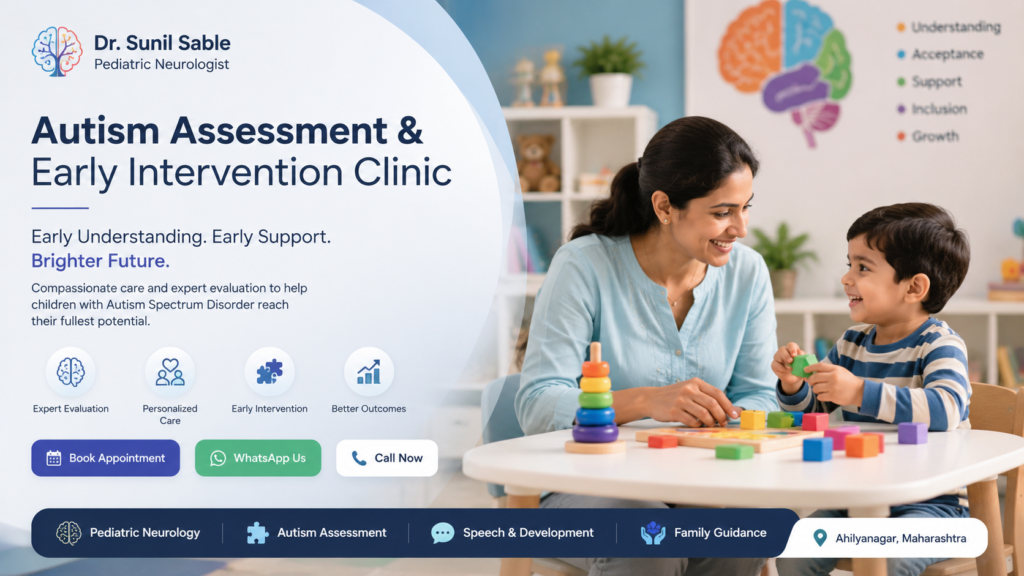
At our Autism Clinic in Ahilyanagar, Dr. Sunil Sable, Pediatric Neurologist, provides comprehensive autism diagnosis, developmental evaluation, speech delay assessment, and evidence-based intervention guidance for children and families.
Over 20 Years of Clinical Experience | Thousands of Children Treated
✔ Pediatric Neurologist
✔ Autism Specialist
✔ Developmental Assessment
✔ Parent Guidance & Counseling
Click Here to Read Books on Autism
Click Here to Watch Videos on Child Brain Dissorders
Click Here to Watch Video on Autism in Marathi
WHAT IS AUTISM?
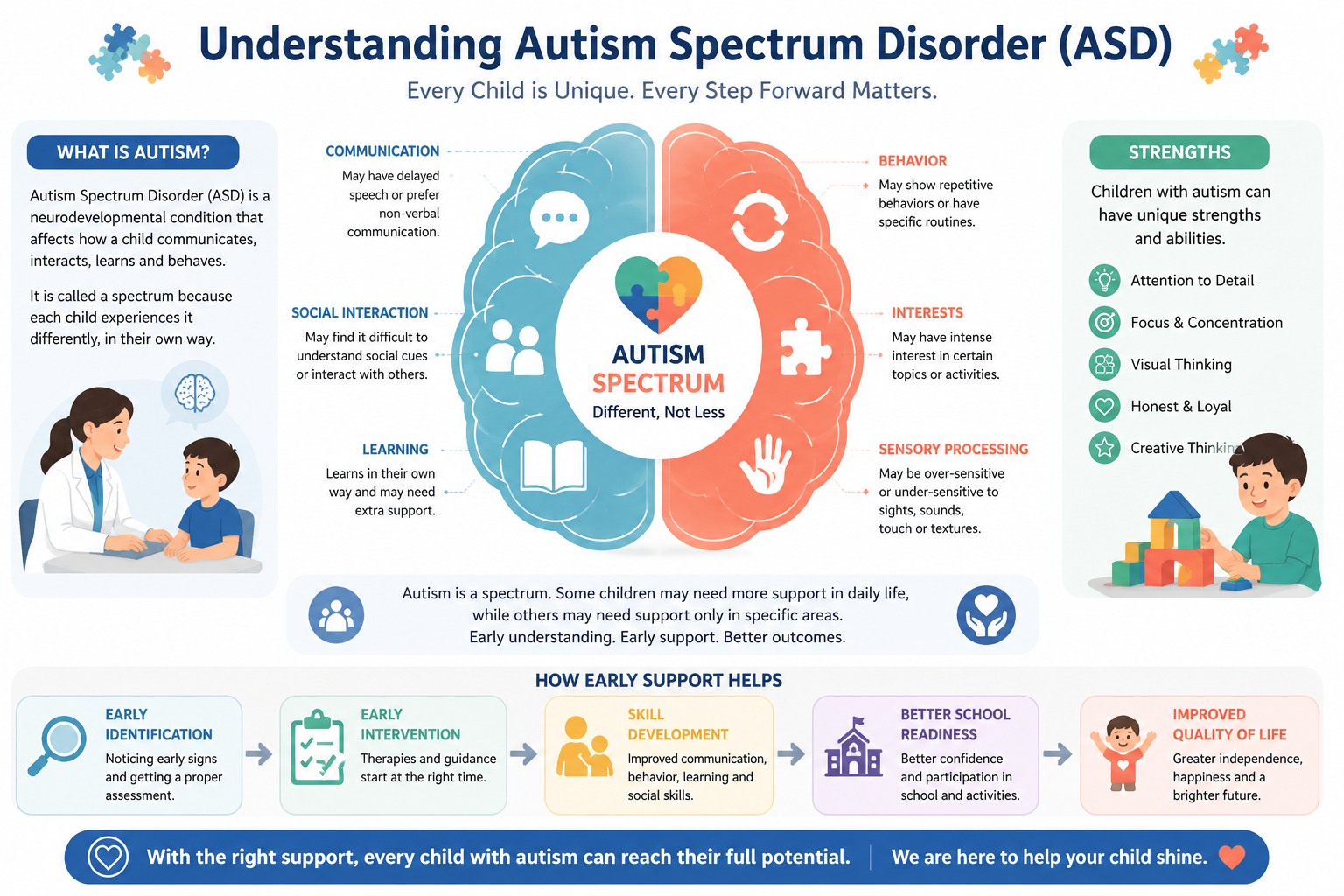
✅Autism Spectrum Disorder (ASD) is a neurodevelopmental condition that affects communication, social interaction, behavior, and learning. Every child with autism is unique, and symptoms may range from mild to significant.
✅Children with autism may have difficulty understanding social cues, communicating effectively, responding to others, or adapting to changes in routine. Some children may have speech delay, while others may speak well but struggle with social communication.
✅Early identification and intervention can significantly improve communication, learning, social skills, and overall quality of life.
Does Your Child Have Any Of These Symptoms?
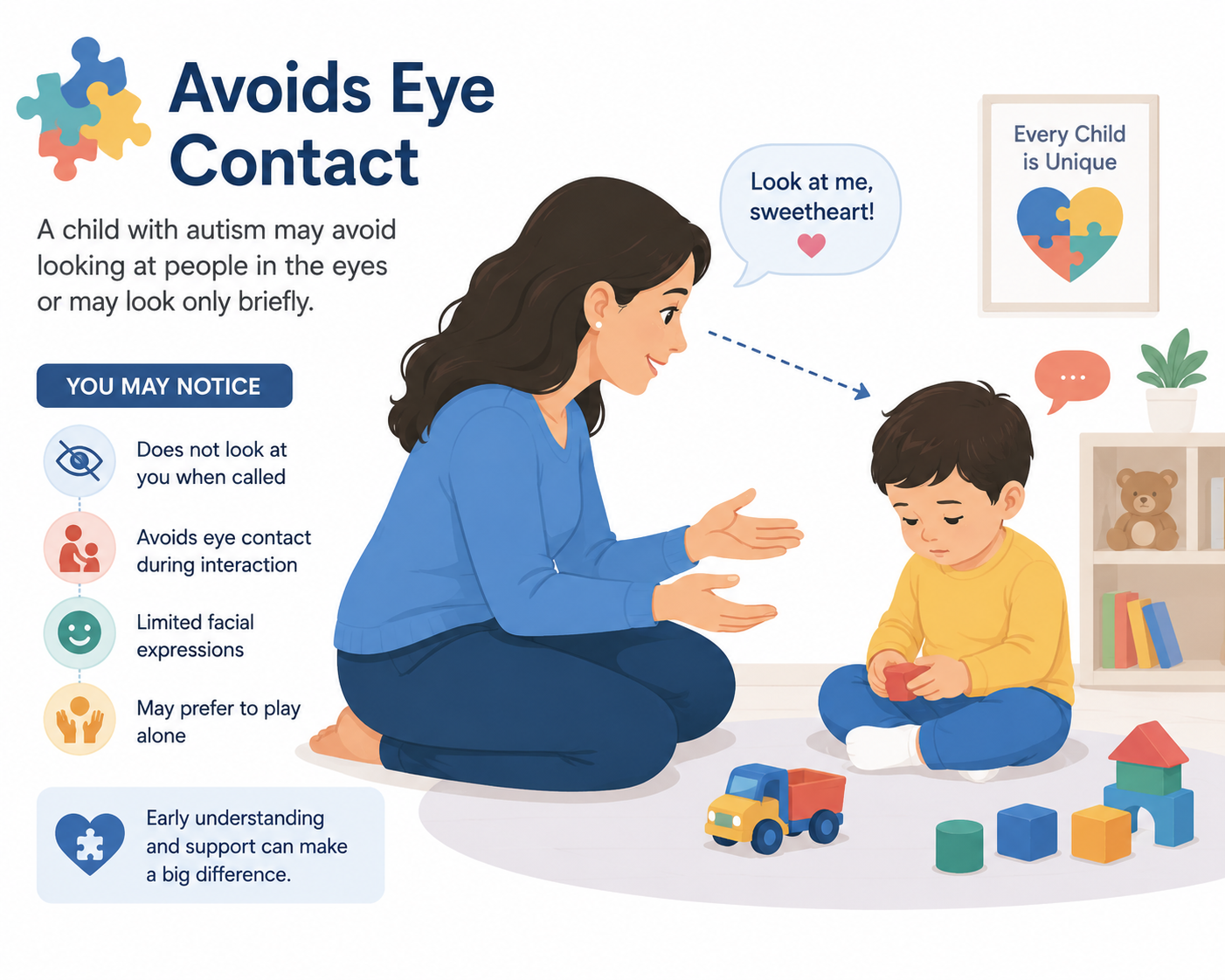
👀 Poor eye contact
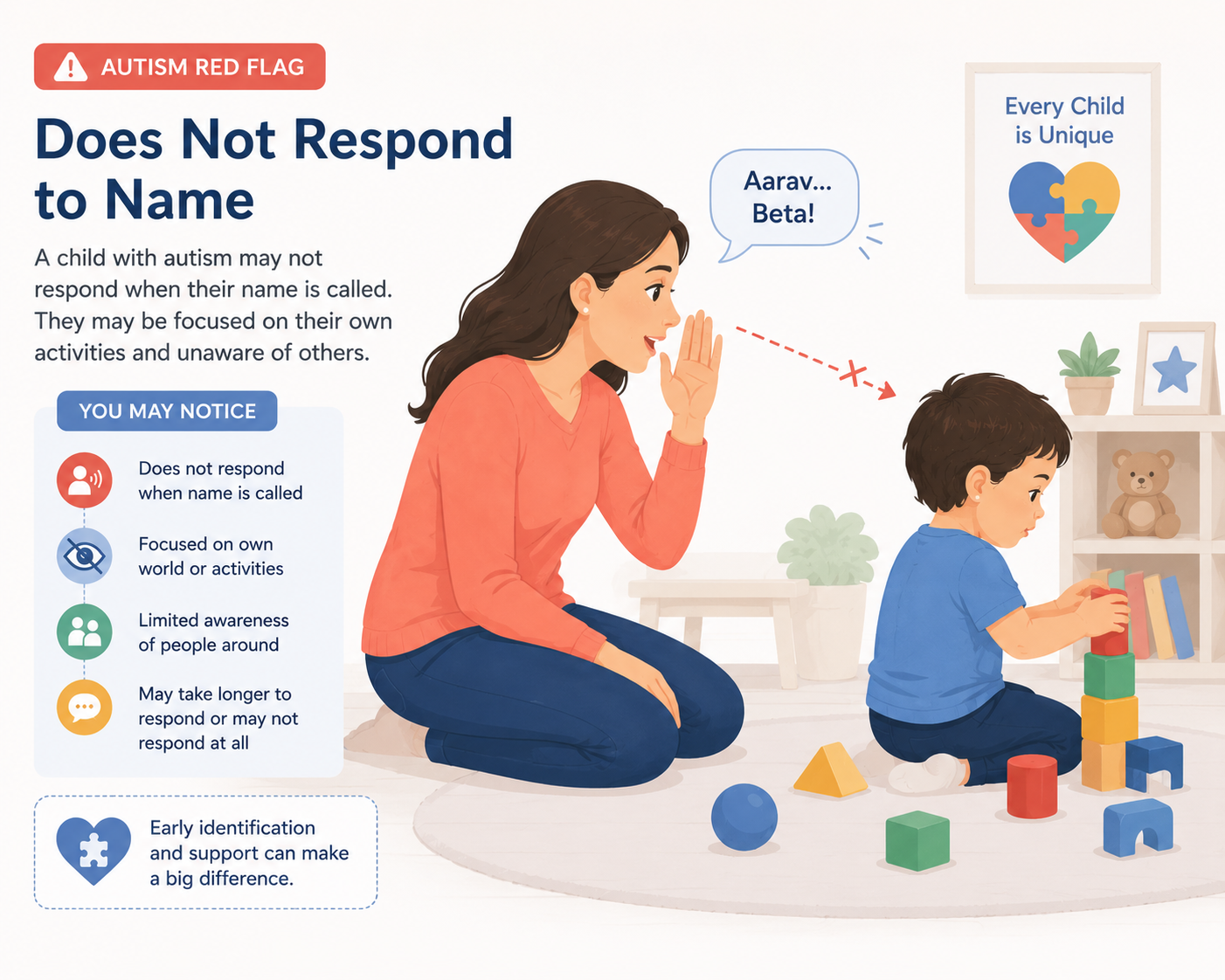
🧒 Does not respond to name
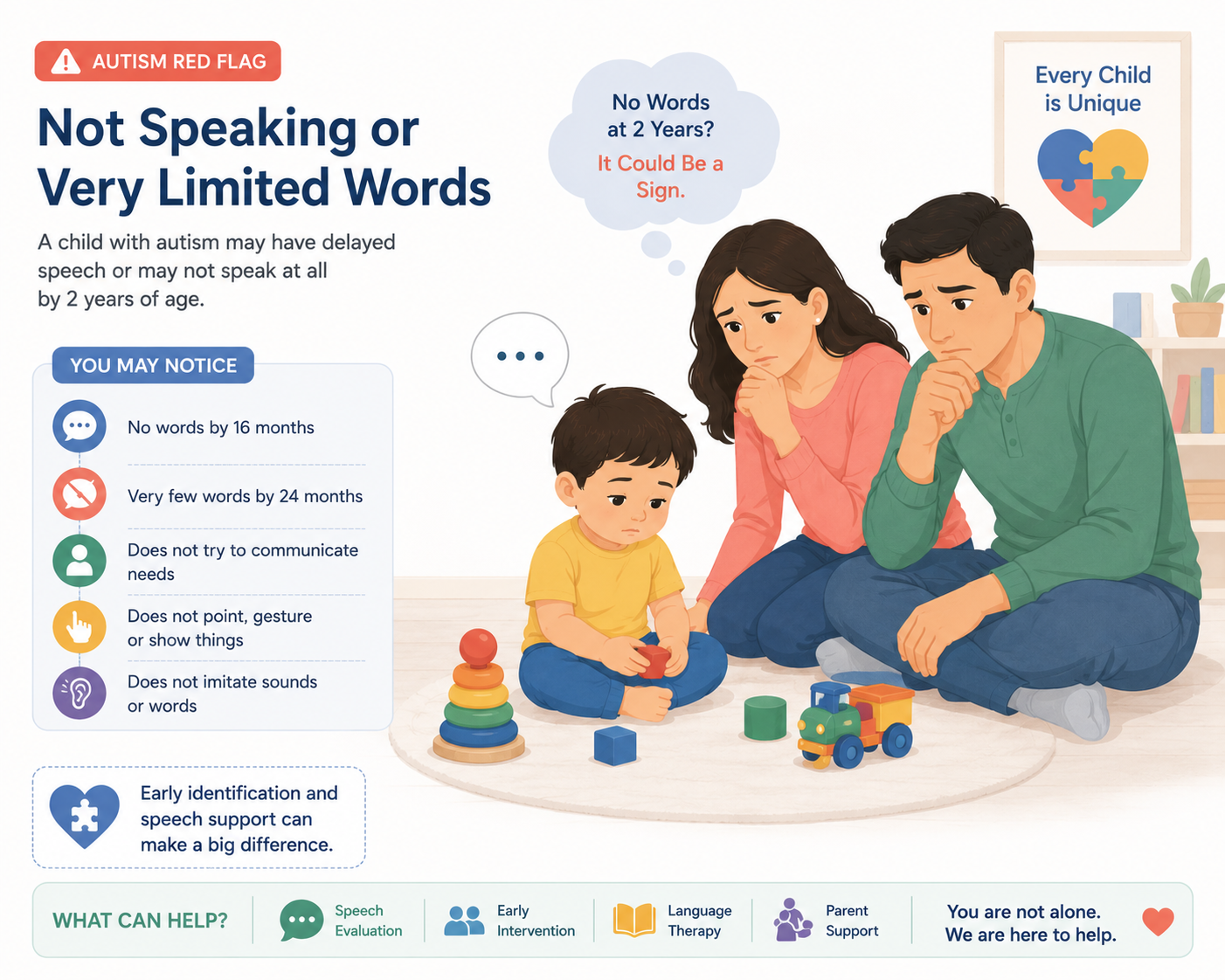
🗣 Delayed speech
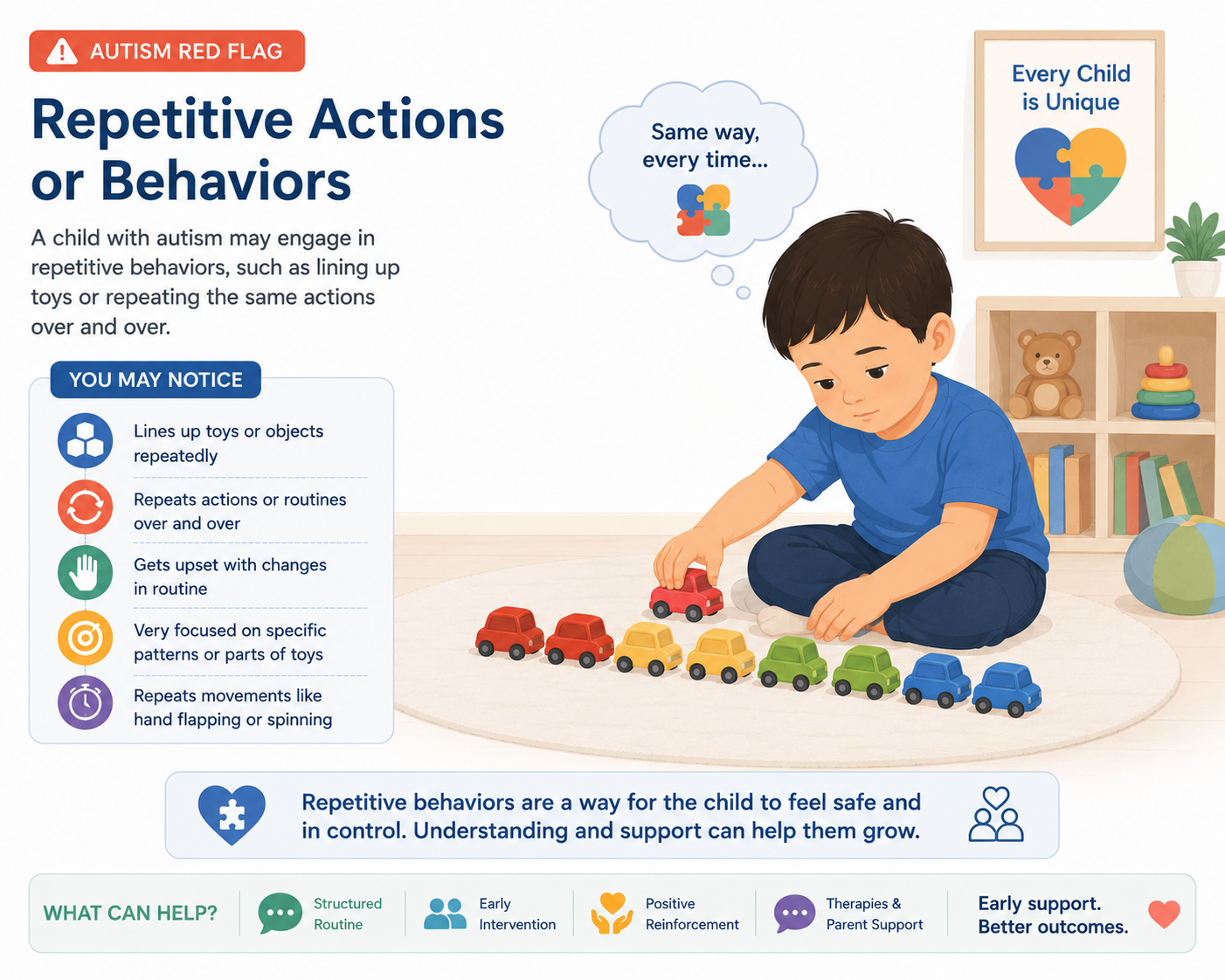
🔄 Repetitive behaviors
🎯 Intense interest in specific objects
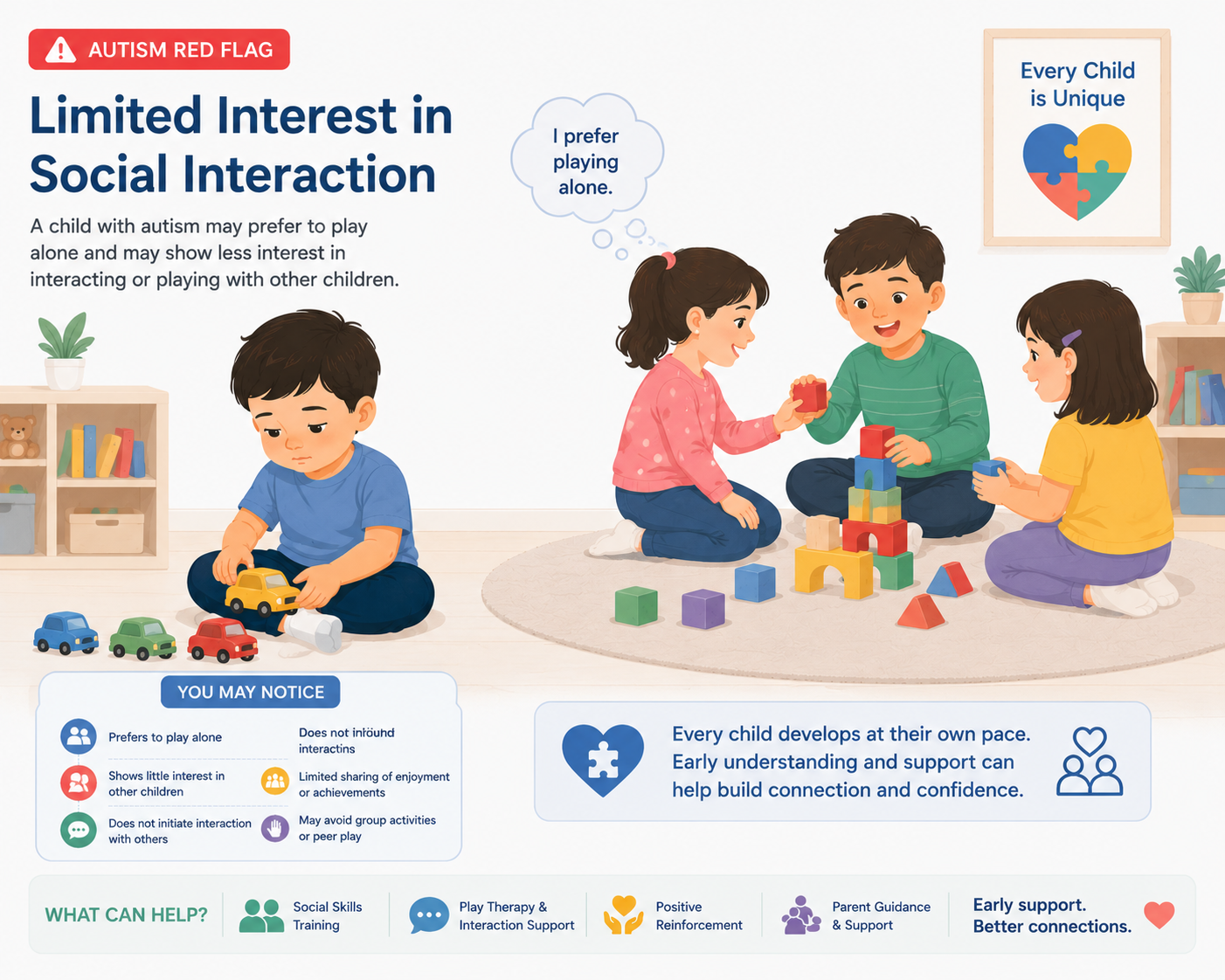
🤝 Limited social interaction
🚫 Prefers to play alone
📱 Excessive screen engagement
😐 Limited facial expressions
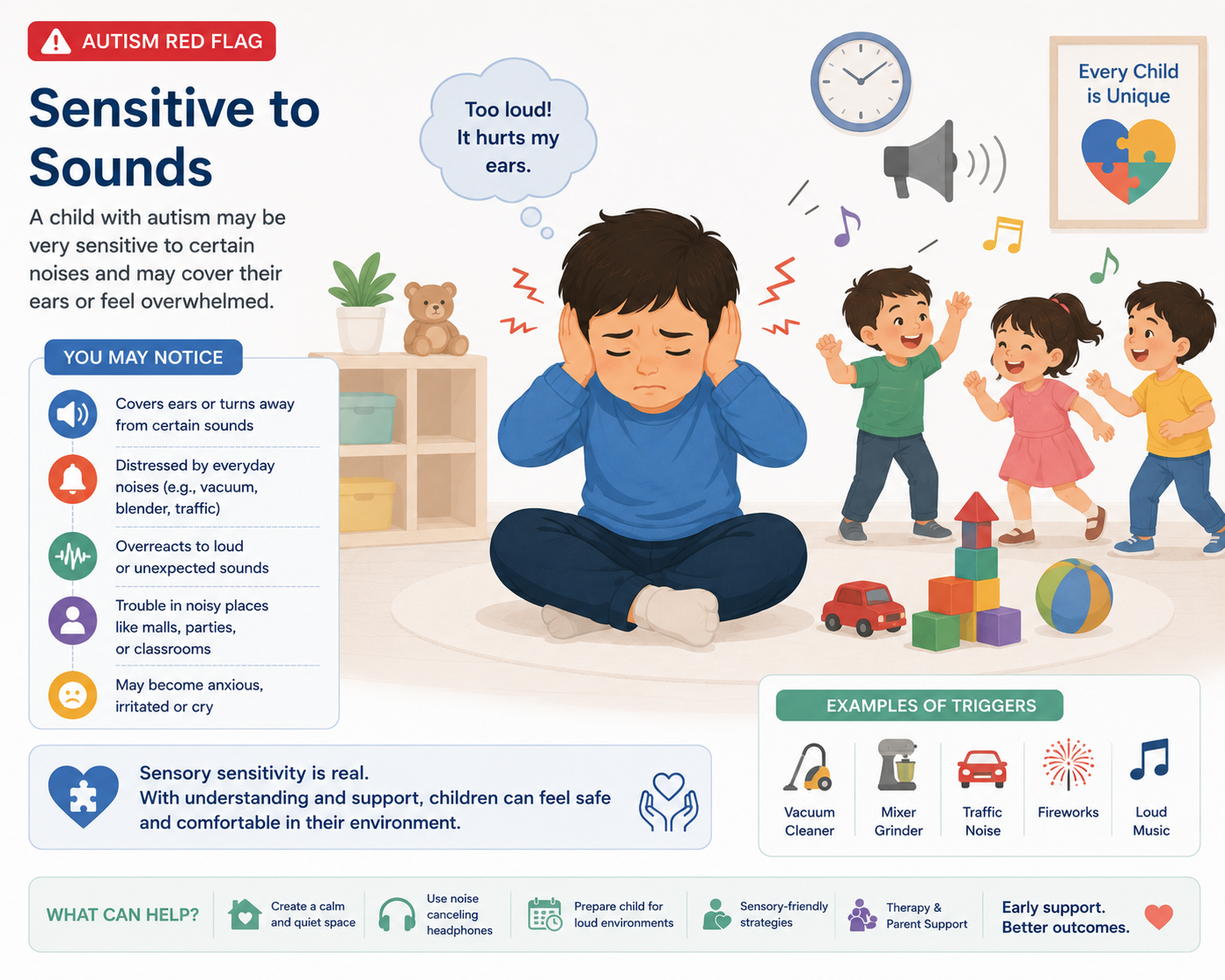
⚡ Sensory sensitivities
Autism Red Flags by Age
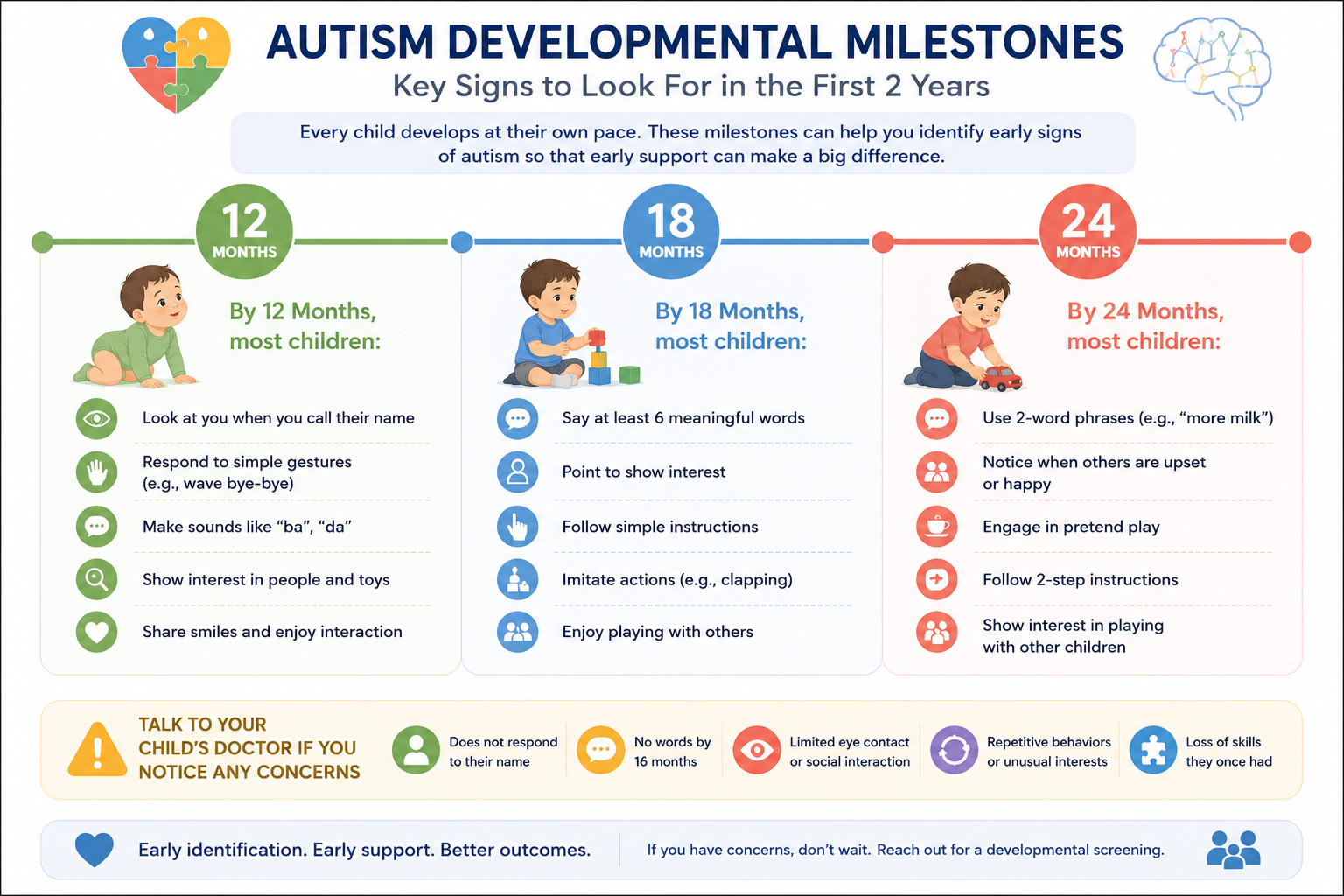
✅By 12 Months
- Does not respond to name
- Limited babbling
- Poor eye contact
- Limited gestures
✅By 18 Months
- No meaningful words
- Limited imitation
- Does not point to show interest
✅By 24 Months
- No two-word phrases
- Difficulty following simple instructions
- Poor social interaction
✅Any Age
- Loss of language skills
- Loss of social skills
- Repetitive behaviors
Autism Red Flags by Age
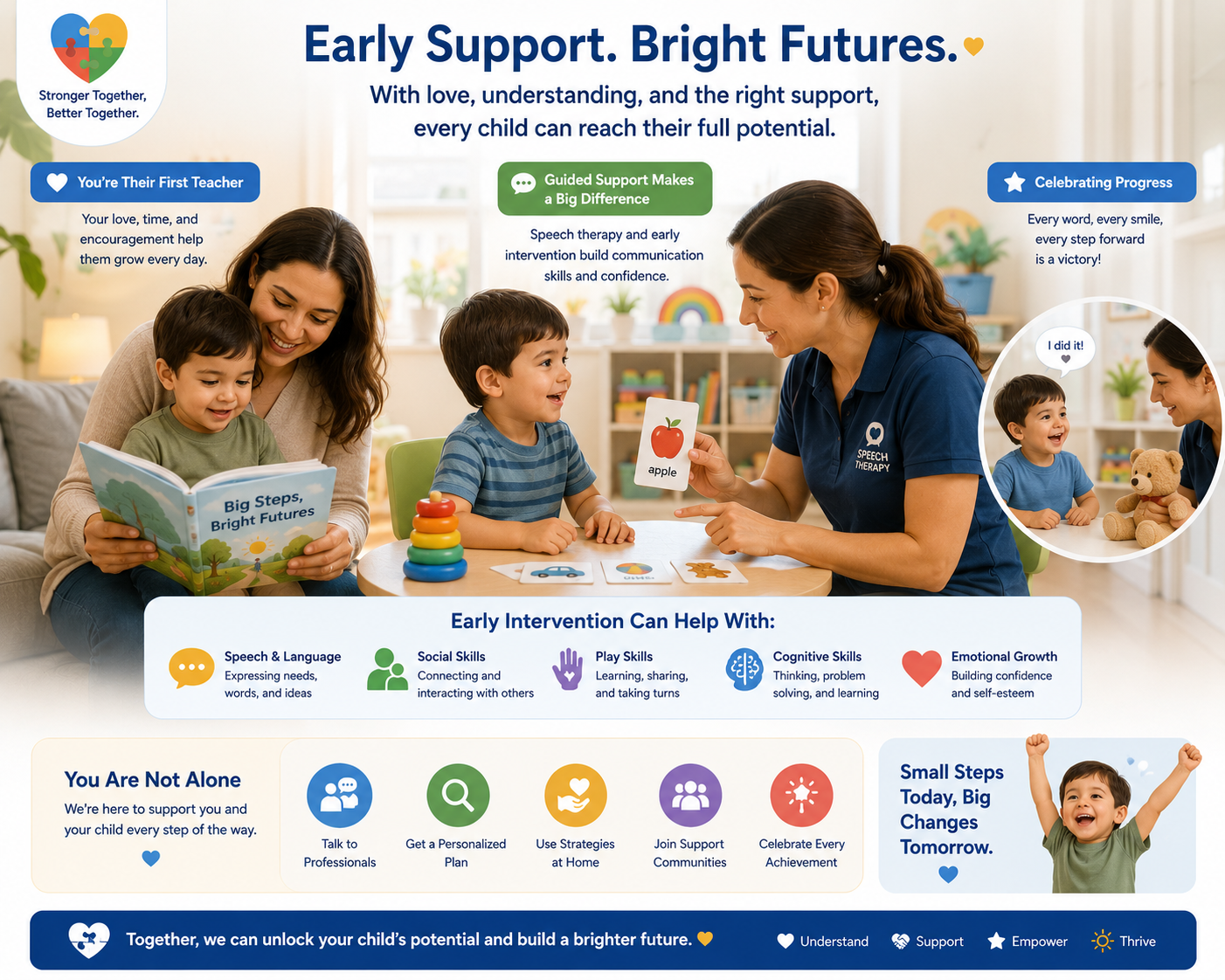
Benefits:
✔ Earlier therapy
✔ Better communication skills
✔ Improved social interaction
✔ Better school readiness
✔ Improved independence
✔ Better long-term outcomes
Autism Often Coexists With
- Speech Delay
- ADHD
- Intellectual Disability
- Epilepsy
- Sleep Problems
- Feeding Difficulties
- Anxiety
- Sensory Processing Difficulties
Autism Clinic Ahilyanagar SERVICES
Autism Clinic Ahilyanagar we do
🧠 Developmental Assessment
🗣 Speech & Language Evaluation
👀 Autism Screening
📚 School Readiness Assessment
⚡ EEG Evaluation (when indicated)
🧬 Genetic Evaluation
🎯 Behavioral Guidance
👨👩👧 Parent Counseling
Expert Autism & Child Development Care

Dr. Sunil Sable is a Pediatric Neurologist & Epilepsy Specialist with extensive experience in the evaluation and management of Autism Spectrum Disorder, speech delay, developmental delay, ADHD, epilepsy, and other neurodevelopmental conditions.
In Autism Clinic Ahilyanagar,He provides a comprehensive developmental assessment to identify strengths, challenges, and individualized intervention needs. His approach focuses on early diagnosis, family education, evidence-based recommendations, and long-term developmental support.
📗Autism Books by Dr. Sunil Sable
Practical, parent-friendly guides to help families understand autism and support their child.
Covering early signs, behaviour, sensory needs, communication, learning, treatment and independence.
Written by Dr. Sunil Sable, Pediatric Neurologist and Epilepsy Specialist, Ahilyanagar (Ahmednagar), Maharashtra.
Does Screen Time Cause Autism?
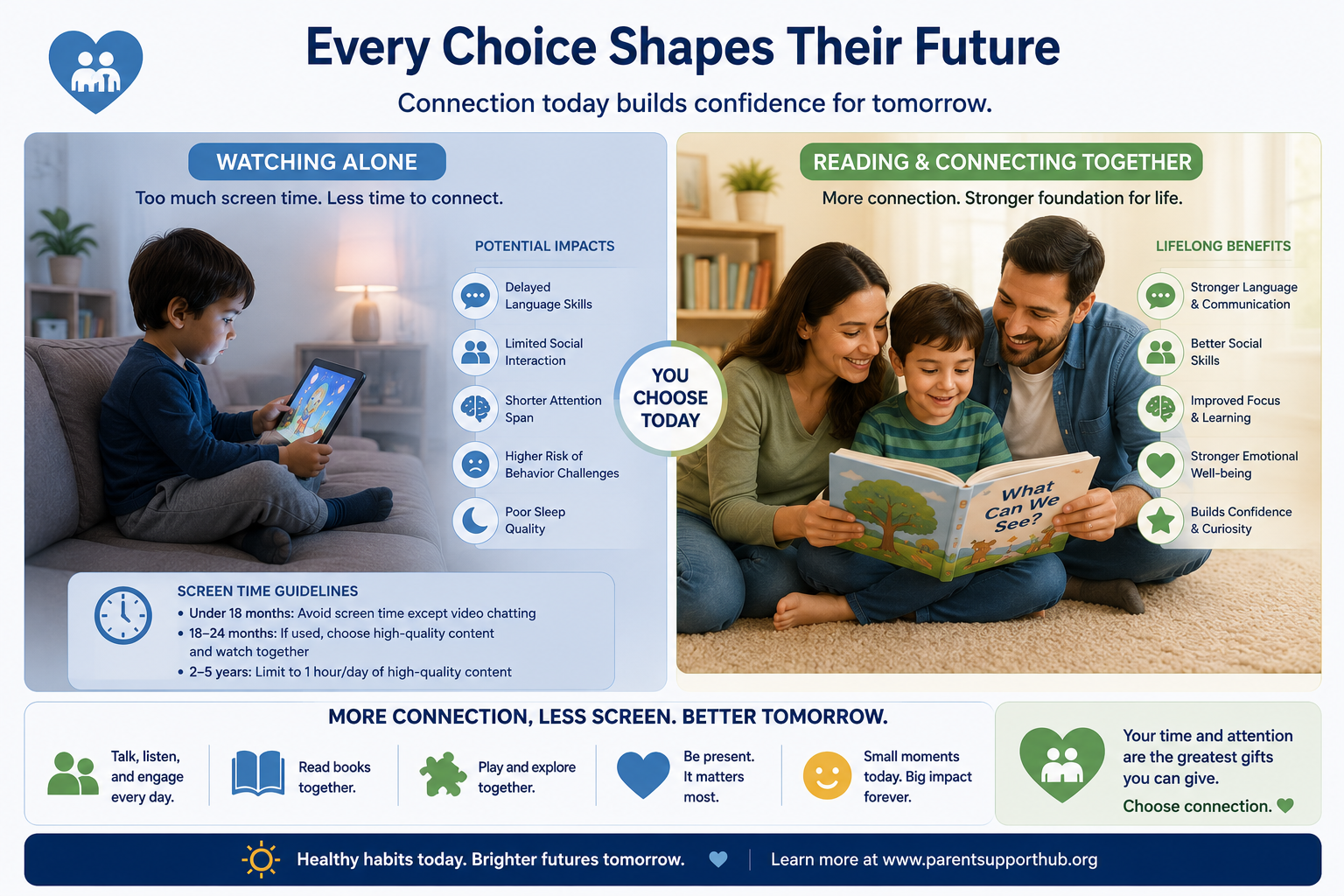
- Screen time does not cause autism.
- Excessive screen exposure may worsen communication opportunities.
- Children with developmental concerns should have structured and supervised screen use.
AUTISM MYTHS VS FACTS
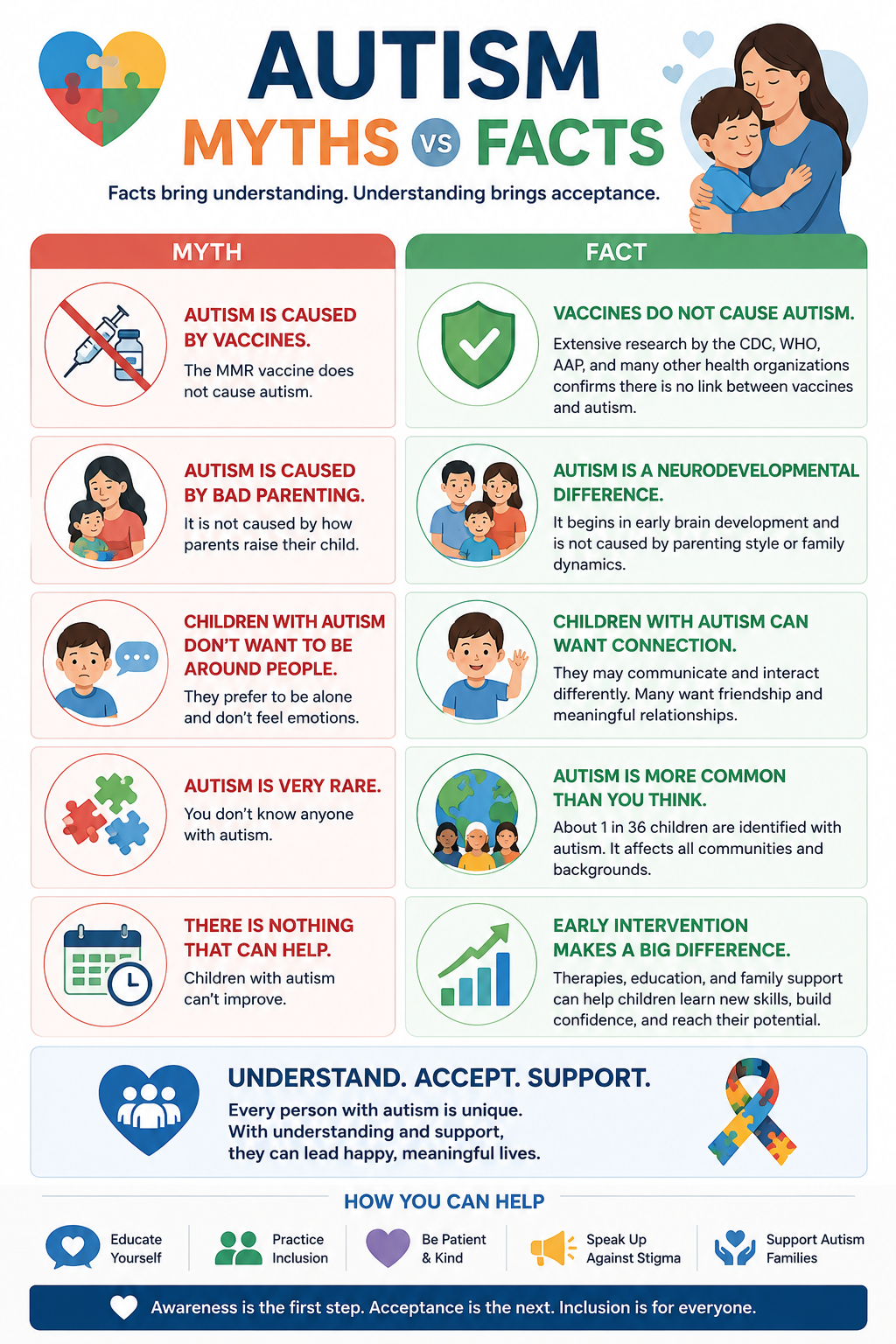
Myth
Autism is caused by poor parenting.
Fact
Autism is a neurodevelopmental condition.
Myth
Children will outgrow autism.
Fact
Early intervention improves outcomes, but autism is not simply “outgrown.”
Myth
Vaccines cause autism.
Fact
Scientific studies consistently show no link between vaccines and autism.
Parent Resources
Autism Resources
Downloads:
📥Autism Early Signs Checklist
📥Autism Parent Guide
📥Autism Myths vs Facts
🎥Autism Videos
Frequently Asked Questions About Autism
1. What is autism?
Autism Spectrum Disorder (ASD) is a neurodevelopmental condition that affects communication, social interaction, behavior, and learning. Children with autism may have difficulties with speech, eye contact, social relationships, or understanding social cues. Autism exists on a spectrum, meaning every child is unique and may have different strengths and challenges.
2. What causes autism?
Autism is believed to result from a combination of genetic and environmental factors that influence brain development. Researchers have identified many genes associated with autism. Autism is not caused by poor parenting, emotional trauma, or childhood experiences.
3. Can autism be cured?
Autism is not a disease that can be cured. However, early intervention, speech therapy, occupational therapy, behavioral support, and educational interventions can significantly improve communication, learning, independence, and quality of life.
4. What are the first signs of autism?
Early signs may include poor eye contact, not responding to name, delayed speech, limited gestures such as pointing, repetitive behaviors, reduced social interaction, and preference for playing alone. These signs may become noticeable during the first two years of life.
5. At what age can autism be diagnosed?
Some signs may be identified as early as 12 to 18 months. A reliable diagnosis can often be made by 18 to 24 months, although some children are diagnosed later when social or learning difficulties become more apparent.
6. Does autism run in families?
Yes. Genetics play an important role in autism. Families with one child with autism may have a higher likelihood of having another child with autism or related developmental differences. However, not every child in the family will be affected.
7. Does delayed speech always mean autism?
No. Speech delay can occur due to hearing problems, developmental language disorders, intellectual disability, environmental factors, or autism. A detailed developmental assessment is necessary to identify the underlying cause.
8. Can a child have autism with normal intelligence?
Yes. Many children with autism have average or above-average intelligence. Some may excel in specific areas such as memory, mathematics, music, computers, or visual skills while still experiencing social communication challenges.
9. Can autism be mild?
Yes. Some children have mild autism and may communicate well but struggle with social interactions, friendships, flexibility, or understanding social situations. Others may require substantial support for daily activities.
10. Is poor eye contact always autism?
No. Poor eye contact alone does not mean a child has autism. Shyness, anxiety, developmental immaturity, visual difficulties, or other developmental conditions can also affect eye contact. It should always be interpreted along with other developmental signs.
11. Does screen time cause autism?
No. Scientific evidence does not support the claim that screen time causes autism. However, excessive screen exposure may reduce opportunities for language development, social interaction, and play, which are important for healthy development.
12. Can children with autism attend regular school?
Many children with autism successfully attend mainstream schools with appropriate support. The educational setting depends on the child’s strengths, communication skills, learning abilities, and individual needs.
13. What therapies help autism?
Evidence-based interventions may include speech therapy, occupational therapy, behavioral therapy, social skills training, parent training programs, educational support, and developmental interventions tailored to the child’s needs.
14. How important is early intervention?
Early intervention is one of the most important factors influencing long-term outcomes. Children who receive support during the early years often show improvements in communication, learning, behavior, and social development.
15. What is ABA therapy?
Applied Behavior Analysis (ABA) is a structured therapeutic approach that uses positive reinforcement and individualized strategies to help children develop communication, social, learning, and daily living skills.
16. What is speech therapy?
Speech therapy helps children improve communication skills, language development, understanding, social communication, pronunciation, and alternative methods of communication when necessary.
17. What is occupational therapy?
Occupational therapy focuses on improving fine motor skills, sensory processing, self-care abilities, attention, play skills, handwriting, and daily functional independence.
18. Does autism affect sleep?
Yes. Many children with autism experience sleep difficulties such as delayed sleep onset, frequent night waking, irregular sleep patterns, or early morning waking. Addressing sleep problems can improve daytime functioning.
19. Can autism be associated with epilepsy?
Seek urgent care if:
Yes. Children with autism have a higher risk of epilepsy compared with the general population. Seizures may occur in some children during childhood or adolescence. Evaluation by a pediatric neurologist may be necessary when seizures are suspected.
20. Are genetic tests required?
Genetic testing may be recommended in selected children, especially when autism is associated with developmental delay, intellectual disability, unusual physical features, or a strong family history. Your pediatric neurologist can guide you regarding appropriate testing.
21. Can autism improve with treatment?
While autism itself does not disappear, many children make significant developmental gains with appropriate intervention. Improvements may occur in communication, behavior, learning, social interaction, and daily living skills.
22. How can parents help at home?
Parents play a critical role by engaging in interactive play, reading books, encouraging communication, reducing excessive screen exposure, establishing routines, practicing therapy strategies, and providing a supportive and nurturing environment.
23. What foods help autism?
No specific diet has been proven to cure autism. A balanced diet rich in fruits, vegetables, proteins, whole grains, and essential nutrients supports overall health. Dietary changes should be discussed with healthcare professionals, especially when nutritional deficiencies are suspected.
24. How much screen time is recommended?
The American Academy of Pediatrics recommends avoiding routine screen time for children younger than 2 years, except for video chatting. For older children, screen use should be limited, supervised, and balanced with active play, social interaction, and learning activities.
25. When should I consult a pediatric neurologist?
You should consider consulting a pediatric neurologist if your child has speech delay, poor eye contact, developmental delay, regression of skills, suspected autism, seizures, unusual behaviors, learning difficulties, or concerns about overall development. Early evaluation allows timely diagnosis and intervention.
Concerned About Your Child's Development?
“If you are concerned about autism, speech delay, poor eye contact, developmental delay, or social communication difficulties, Dr. Sunil Sable, Pediatric Neurologist,Autism &Epilepsy Specialist, in Ahilyanagar, provides comprehensive autism assessment, developmental evaluation, and guidance for early intervention.”
Areas We Serve
At Dr. Sunil Sable Pediatric Neurology & Cardiology Centre, we are privileged to care for children and families from Ahilyanagar (Ahmednagar), Maharashtra, and surrounding districts. Our clinic receives referrals from pediatricians, family physicians, schools, therapists, and parents across Western and Central Maharashtra for specialized evaluation and treatment of epilepsy, autism spectrum disorder, ADHD, speech delay, developmental delay, cerebral palsy, learning disabilities, headaches, neuromuscular disorders, genetic disorders, movement disorders, and other pediatric neurological conditions.
Dr Sunil Sable Pediatric Neurologist & Epilepsy Specialist Ahilyanagar (Ahmednagar) serve families from Ahilyanagar city, including Savedi, Tarakpur, Kedgaon, Maliwada, Burudgaon Road, Pipeline Road, MIDC, Nalegaon, Bolhegaon, Chaupati Karanja, Delhi Gate, Professor Colony, Gulmohar Road, and nearby residential areas.
Our services are also available to patients from all talukas of Ahilyanagar District, including Nagar, Akole, Sangamner, Kopargaon, Rahata (Shirdi), Rahuri, Nevasa, Pathardi, Shevgaon, Parner, Karjat, Jamkhed, Shrigonda, and Shrirampur.
We regularly welcome families from Beed District, including Beed, Georai, Ashti, Patoda, Shirur (Kasar), Kaij, Ambajogai, Parli Vaijnath, Dharur, Wadwani, and Majalgaon.
Children from Chhatrapati Sambhajinagar District also visit our centre, including patients from Chhatrapati Sambhajinagar city, Vaijapur, Gangapur, Kannad, Khuldabad, Paithan, Phulambri, Sillod, and Soegaon.
Our clinic also serves families from Pune District, including Pune City, Shirur, Daund, Baramati, Indapur, Junnar, Ambegaon, Khed (Rajgurunagar), Bhor, Haveli, Mulshi, Maval, Purandar, and Velhe.
Parents from Nashik District frequently consult us from Nashik City, Sinnar, Yeola, Niphad, Chandwad, Malegaon, Dindori, Kalwan, Deola, Baglan (Satana), Surgana, Igatpuri, Peth, Trimbakeshwar, and Nandgaon.
Families also travel to our clinic from nearby cities and districts, including Shirdi, Solapur, Jalna, Osmanabad (Dharashiv), Latur, Dhule, Jalgaon, and other parts of Maharashtra, for expert pediatric neurology and pediatric cardiology consultations.
Whether your child requires evaluation for seizures, epilepsy, autism, speech delay, developmental concerns, ADHD, cerebral palsy, learning difficulties, neuromuscular disorders, genetic disorders, headaches, movement disorders, or other neurological conditions, our team is committed to providing compassionate, evidence-based, child-centred care.
What Parents Say About Dr Sunil Sable
Posted on GoogleTrustindex verifies that the original source of the review is Google. माझ्या. मुलीला जन्मताच मेंदूत कावीळ सांगितली होती तर आम्ही डॉक्टर सुनील साबळे यांच्याकडे ट्रीटमेंट घेतली त्यांच्या ट्रीटमेंट नी माझ्या मुलीला 100% फरक पडला आहे जर असा कुणाच्या मुलांना त्रास होत असेल तर dr .सुनील साबळे सरानची विजिट करा अहमदनगर येथे डॉ. सुनील साबळेथँक्यू सर 🙏🙏Posted on GoogleTrustindex verifies that the original source of the review is Google. Very nice concaltancy service and very supportive staffPosted on GoogleTrustindex verifies that the original source of the review is Google. Mazya mulala Chakkar yaychi Mg Amhi Dr Sunil Sable Siranna Dakhavle Tyanchya Aaushadani Tyachi Chakkar Band zali to Atta Thik Zala Ahe Dhanyawad SirPosted on GoogleTrustindex verifies that the original source of the review is Google. Majha bala la chagala farak padala ahe pahale ryala samjat navate atta tyala barech samjatePosted on GoogleTrustindex verifies that the original source of the review is Google. बाळाला 100% गुण आलाय डाॅ साहेबांना धन्यवाद मी आयुष्य भर आपले ऋणी आहेPosted on GoogleTrustindex verifies that the original source of the review is Google. 100℅ farak padla ahe sir khup chan treatment ahe thanku🙏👍Posted on GoogleTrustindex verifies that the original source of the review is Google. I have good experiencePosted on GoogleTrustindex verifies that the original source of the review is Google. 100% रिजल्ट आहे सरPosted on GoogleTrustindex verifies that the original source of the review is Google. my child is recover 80% All family members are happy.Posted on GoogleTrustindex verifies that the original source of the review is Google. Mazya mulala zhatke yet hote amhi khup thikani dakhavl tyala kahi farakch padla nahi amhala amcya javlcyani dr.sunil sable siranca adrees dila tyala amhi Sirnachi treatment calu keli jhevha pasun Sirnachi treatment calu keli tevha pasun tyala zhatkyaca trass nahi zhala Sirnachi treatment khup chan ahe thank you si👍🙏Load more